What Is GEO?
Search is changing faster than most businesses realize.
For over 20 years, companies optimized content for traditional search engines like Google through SEO (Search Engine Optimization). The goal was simple:
Rank higher → get clicks → drive traffic.
But AI search is fundamentally changing that model.
Today, users increasingly ask questions directly to AI systems like:
- ChatGPT
- Gemini
- Perplexity
- Claude
- DeepSeek
Instead of showing “10 blue links,” these systems generate complete answers instantly.
And in this new environment, the most important question is no longer:
“Can users find your website?”
The new question is:
“Will AI recommend your brand inside its answers?”
That is where GEO (Generative Engine Optimization) begins.
What Is GEO (Generative Engine Optimization)?
Definition of GEO
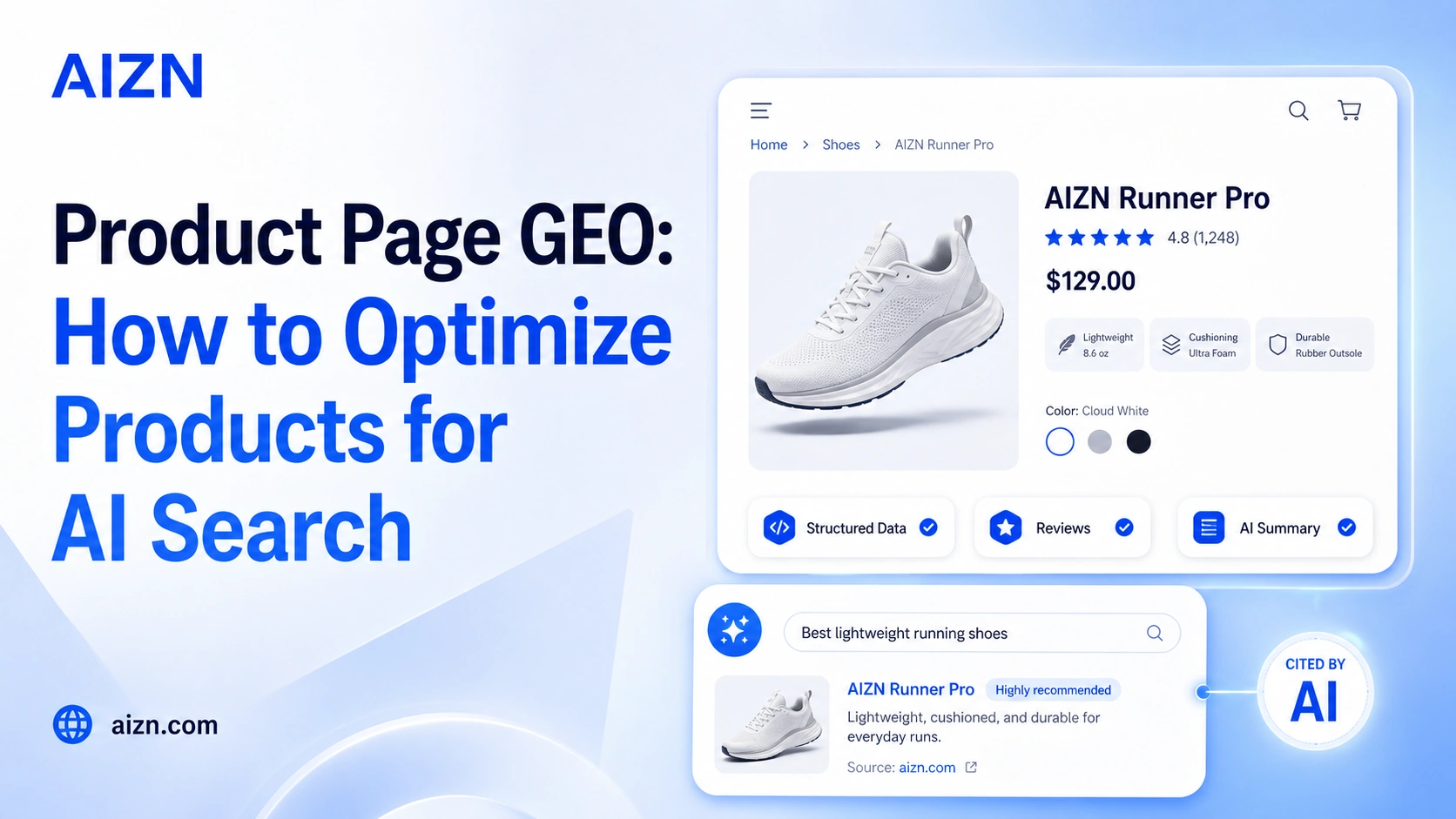
GEO (Generative Engine Optimization) is the process of optimizing content so AI systems can:
- understand it
- trust it
- cite it
- recommend it
- reuse it inside generated answers
Unlike traditional SEO, GEO is not only about ranking pages.
It is about increasing the probability that AI systems like ChatGPT or Gemini will reference your brand when generating responses.
GEO vs SEO: What’s the Difference?
| SEO | GEO |
|---|---|
| Optimizes search rankings | Optimizes AI recommendations |
| Focuses on clicks | Focuses on citations |
| Targets Google algorithms | Targets AI understanding |
| Keyword-centric | Context-centric |
| Website traffic driven | AI answer driven |
| Search engine visibility | AI answer visibility |
The biggest shift is simple:
SEO helps users discover websites.
GEO helps AI systems recommend brands.
Why GEO Matters
AI-generated search is growing rapidly across:
- ChatGPT Search
- Google AI Overview
- Gemini
- Perplexity
- Claude
- DeepSeek
Users are now receiving direct answers without clicking websites.
If AI does not understand your content, your brand becomes invisible.
Businesses that optimize for AI search early gain:
- higher AI citation frequency
- stronger authority signals
- long-term AI visibility
- lower acquisition costs
How GEO Works
GEO focuses on helping AI systems process and reuse your content effectively.
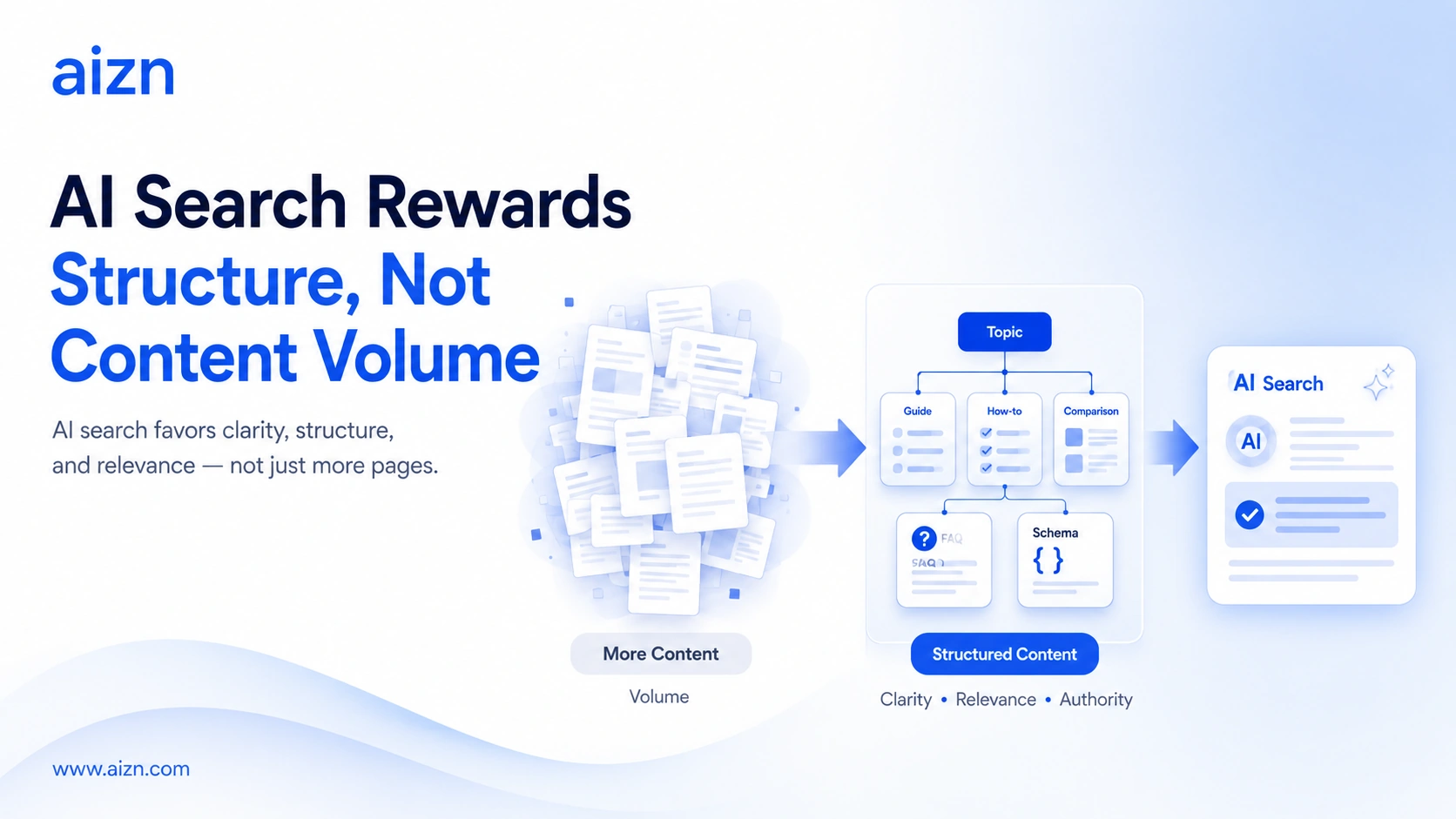
Structured Content
AI models prefer:
- clear headings
- summaries
- FAQ sections
- comparisons
- definitions
- step-by-step explanations
Structured content is easier for AI systems to understand and quote.
Semantic Relevance
Traditional SEO focused heavily on exact keywords.
GEO focuses more on:
- context
- topical depth
- entity relationships
- semantic meaning
AI systems analyze whether your content genuinely answers user intent.
Authority & Trust
AI systems prioritize content that appears:
- credible
- expert-level
- factually reliable
- consistently updated
This aligns closely with Google’s EEAT principles:
- Experience
- Expertise
- Authority
- Trustworthiness
What Types of Content Perform Best for GEO?
High-performing GEO content includes:
- Definitions
- Comparisons
- FAQ pages
- Industry explanations
- Technical breakdowns
- Workflow tutorials
Examples:
- GEO vs SEO
- What Is AI Search Optimization
- How ChatGPT Search Works
- Best AI Website Builder for Exporters
- How to Optimize Content for AI Search
These formats align naturally with AI answer generation.
How AIZN Helps Businesses Optimize for GEO
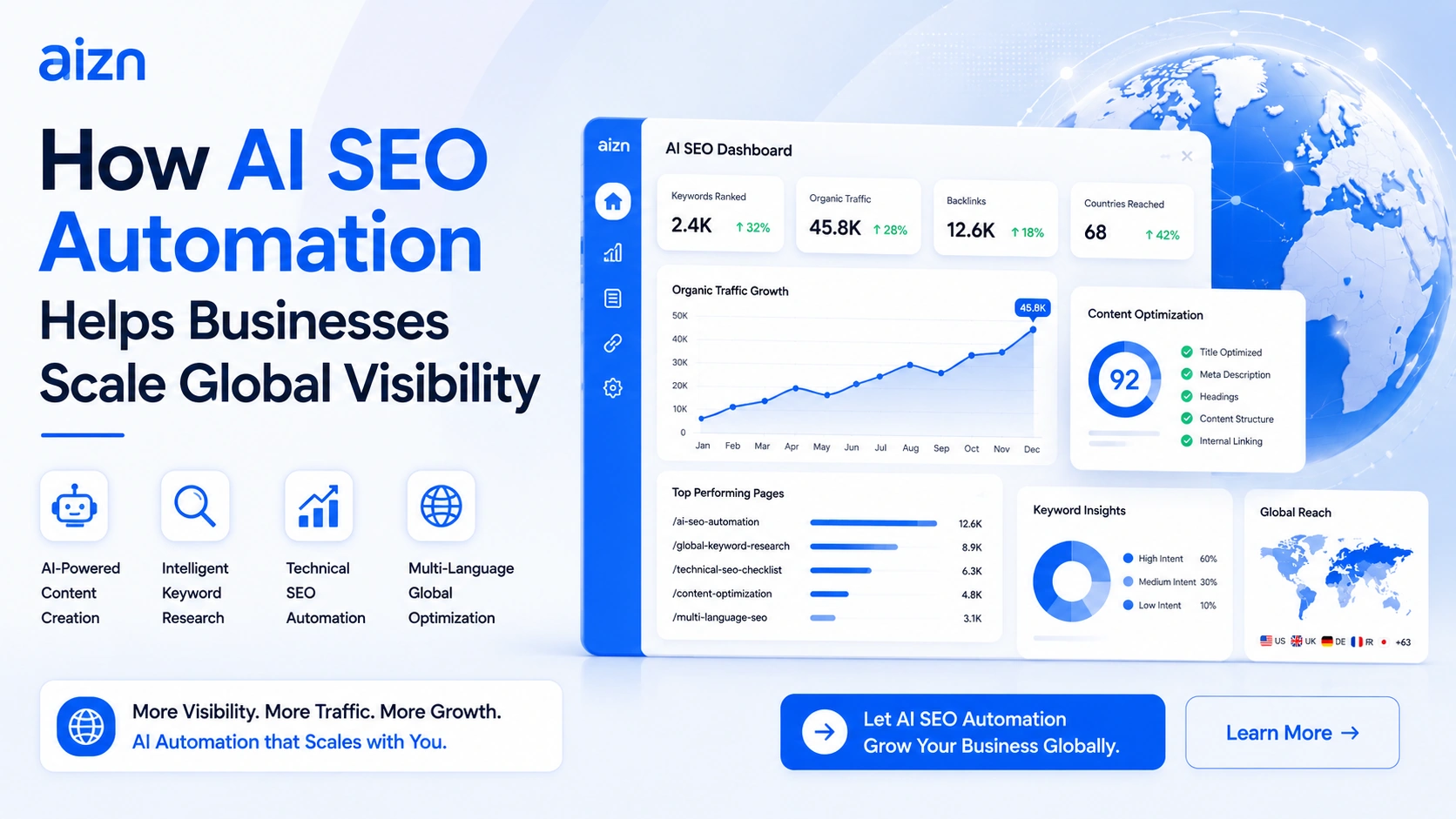
AIZN helps companies build AI-search-ready digital infrastructure through:
- AI website generation
- GEO content optimization
- automated SEO systems
- multilingual AI publishing
- AI Agent workflows
- AI-ready content structuring
AIZN combines:
GEO + SEO + Data + AI Agents
to help businesses improve both:
- Google rankings
- AI recommendation visibility
How to Optimize Content for GEO
1. Write Clear Definitions
AI systems frequently extract definition-style paragraphs.
Example:
“GEO is the process of optimizing content for AI-generated search systems.”
2. Use Structured Headings
Use:
- H1
- H2
- H3
- lists
- tables
- summaries
This improves AI readability.
3. Add FAQ Sections
FAQ sections are extremely important for AI search visibility.
AI systems often reuse FAQ answers directly.
4. Create Comparison Content
Examples:
- GEO vs SEO
- AI Search vs Google Search
- ChatGPT Search vs Traditional Search
Comparison structures perform very well.
FAQ
What does GEO stand for?
GEO stands for Generative Engine Optimization.
What is the difference between GEO and SEO?
SEO optimizes search rankings, while GEO optimizes AI recommendation and citation probability.
Why is GEO important?
Because AI search platforms are becoming the new gateway to information discovery.
Can GEO replace SEO?
No. GEO and SEO will increasingly work together.
SEO helps websites rank.
GEO helps AI systems recommend brands.
Which AI platforms does GEO target?
GEO targets systems like:
- ChatGPT
- Gemini
- Perplexity
- Claude
- DeepSeek
Conclusion
The search industry is entering a major transition.
The old model:
Search → Click → Website
is evolving into:
Question → AI Answer → Brand Recommendation
Businesses that optimize for AI search early will gain a significant long-term advantage.
The future of search is no longer about being found.
It is about being recommended by AI.