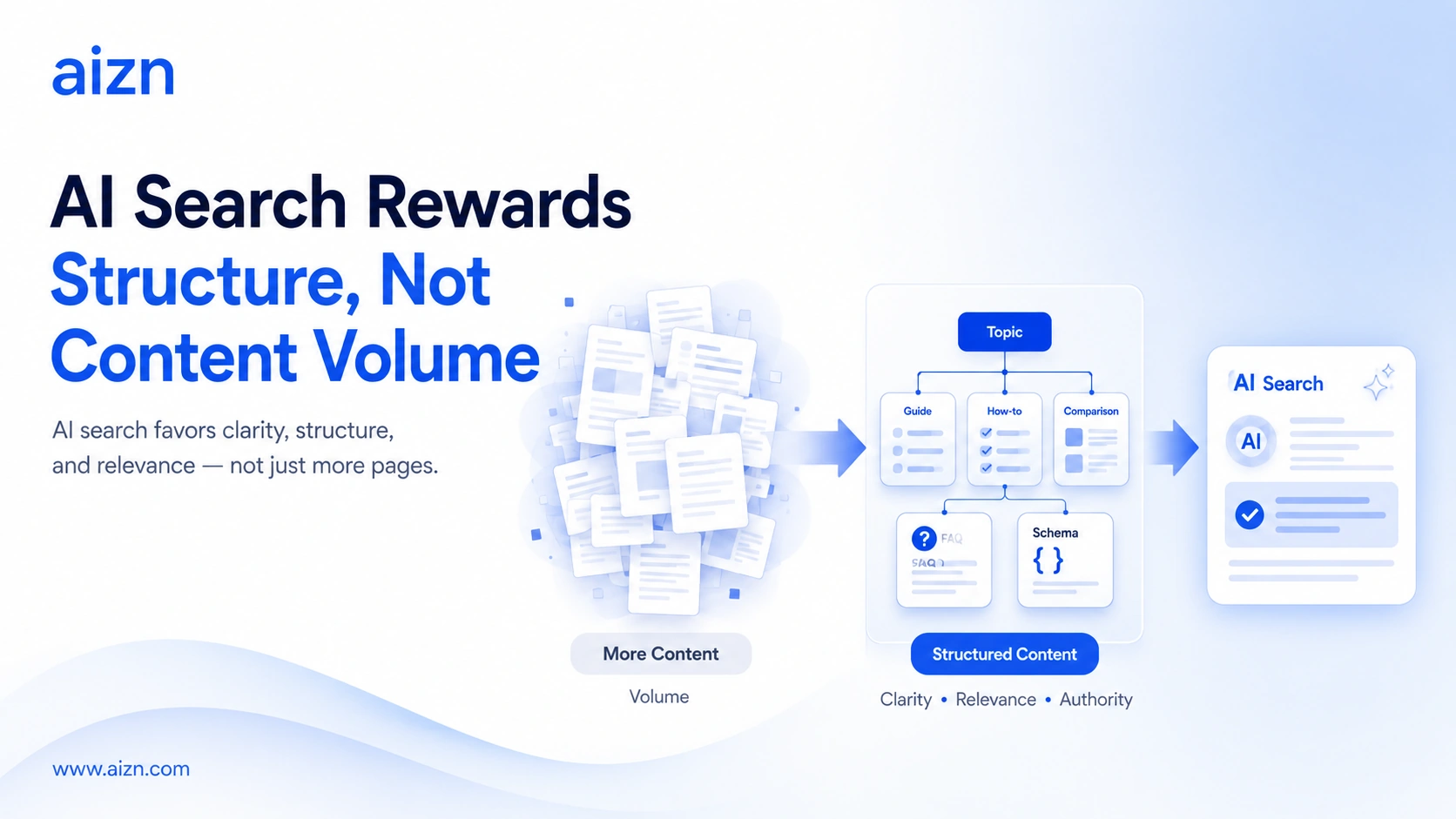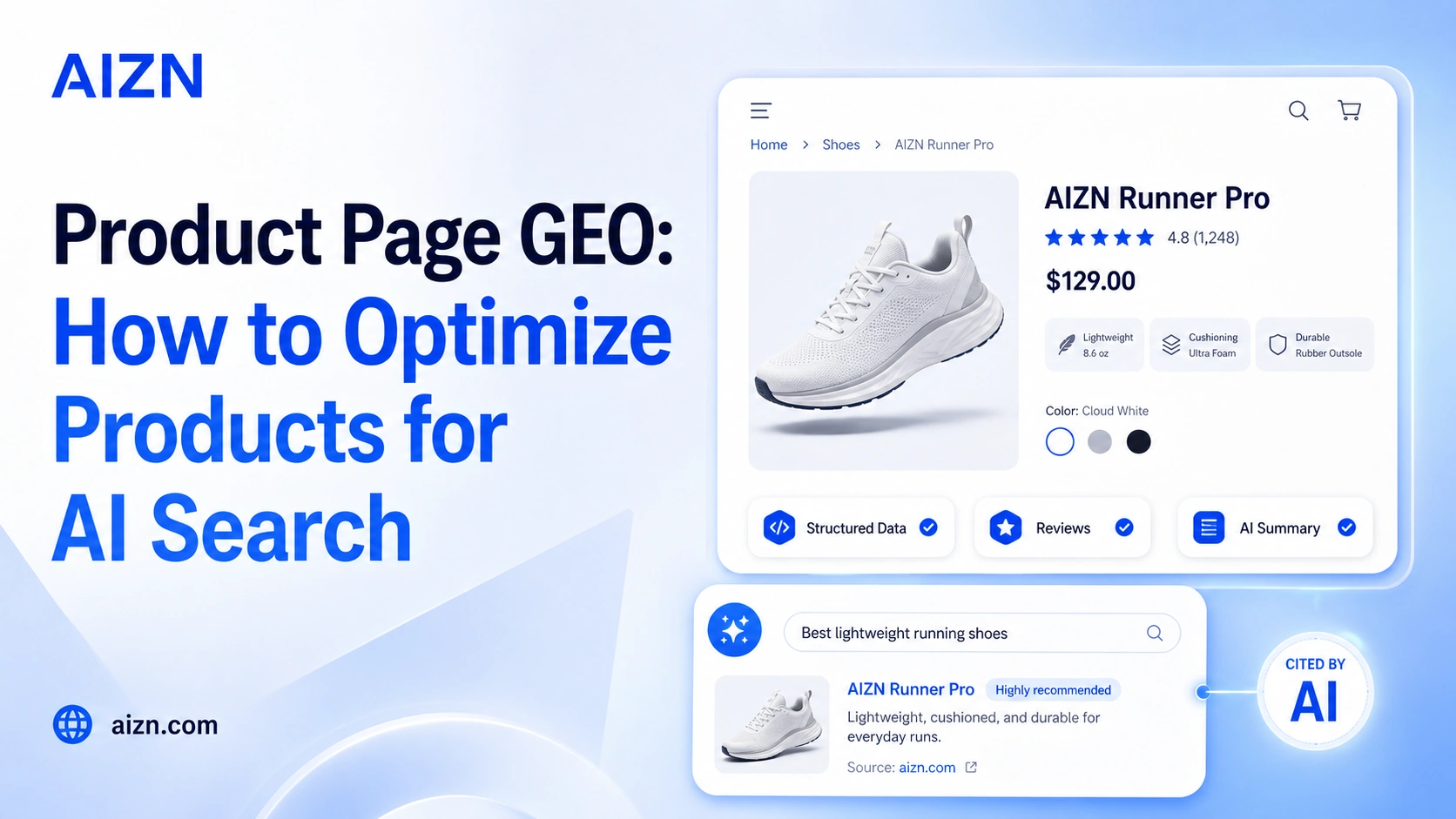
Most product pages were built for traditional websites, not AI search.
A typical product page often includes:
- product images
- specifications
- short descriptions
- basic parameters
- a quote button
This may be enough for a simple catalog page, but it is often not enough for AI-generated search systems.
When users ask AI tools questions like:
- “Which product is best for this application?”
- “What supplier should I choose?”
- “What product works for this industry?”
- “Which solution is recommended?”
AI systems need more than specifications.
They need context, structure, use cases, comparisons, and clear explanations.
That is why businesses now need Product Page GEO.
What Is Product Page GEO?
Product Page GEO refers to optimizing product pages for AI-generated search systems.
GEO stands for:
Generative Engine Optimization
For product pages, GEO helps AI systems:
- understand what the product is
- identify what problems it solves
- connect the product to real use cases
- understand industry applications
- recommend the product more confidently
In simple terms:
Product SEO helps users find product pages.
Product Page GEO helps AI systems understand and recommend products.
Why Traditional Product Pages Fail in AI Search
Many product pages fail because they only describe the product at a surface level.
They may include:
- model number
- size
- material
- voltage
- weight
- basic usage
But AI systems also need to understand:
- who the product is for
- when the product should be used
- what problem it solves
- how it compares with alternatives
- what industries it supports
Without this information, AI systems may not confidently include the product in generated answers.
Product Specifications Are Not Enough
Specifications are useful, but they do not explain value.
For example:
| Product Information | What AI Still Needs |
|---|---|
| Material | Why the material matters |
| Size | Which applications it fits |
| Power | What performance level it supports |
| Model | How it compares with other options |
| Capacity | Which buyer scenario it solves |
A strong AI-ready product page should connect product details with real business meaning.
What an AI-Ready Product Page Should Include
A GEO-optimized product page should include:
1. Clear Product Definition
Explain what the product is in one simple paragraph.
Example:
This product is designed for businesses that need reliable, scalable, and application-ready performance in industrial or commercial environments.
2. Use Cases
AI systems need to understand where the product fits.
Add use cases such as:
- manufacturing applications
- retail scenarios
- commercial usage
- export buyer needs
- project-based applications
3. Industry Applications
Connect the product to industries.
For example:
- automotive
- construction
- food service
- medical equipment
- consumer electronics
- industrial manufacturing
This improves semantic relevance.
4. FAQ Section
FAQs are very important for AI search.
Good product FAQs may include:
- What is this product used for?
- Which industries use this product?
- Is OEM or customization available?
- What should buyers consider before ordering?
- How does this product compare with alternatives?
AI systems often reuse FAQ-style answers because they are clear and structured.
5. Comparison Content
AI search often answers comparison-based questions.
Product pages should explain:
- when to choose this product
- how it differs from alternatives
- what buyer type it fits
- what performance advantages it offers
This helps AI systems understand recommendation logic.
Product Page SEO vs Product Page GEO
| Product Page SEO | Product Page GEO |
|---|---|
| Focuses on rankings | Focuses on AI recommendations |
| Uses keywords | Uses semantic context |
| Describes specifications | Explains use cases |
| Targets search clicks | Targets AI visibility |
| Often static | Needs continuous optimization |
Both are important, but GEO adds the missing AI-search layer.
Why Semantic Structure Matters
AI systems prefer pages that are easy to understand.
A strong product page should use:
- clear H1 title
- logical H2 sections
- short paragraphs
- FAQ blocks
- comparison tables
- application sections
This helps AI systems extract and reuse information more accurately.
Common Product Page GEO Mistakes
Many businesses make the same mistakes:
- only listing specifications
- using vague product descriptions
- ignoring FAQs
- missing industry applications
- using weak heading structures
- not explaining buyer scenarios
- not building related content around the product
These issues reduce AI search visibility.
How AIZN Helps Optimize Product Pages for AI Search
AIZN helps businesses build AI-ready product page systems using GEO, semantic SEO, and structured content automation.
With AIZN, businesses can create product pages that include:
- AI-friendly product descriptions
- structured FAQ sections
- use-case explanations
- semantic product content
- multilingual product pages
- GEO-ready website structures
- scalable product content workflows
AIZN helps turn product pages from simple catalogs into AI-readable product knowledge pages.
Why Product Page GEO Matters for B2B Businesses
For B2B companies, product pages are often the most important conversion assets.
Buyers want to know:
- whether the product fits their application
- whether the supplier supports customization
- whether the product is reliable
- whether it is suitable for their market
- whether the company can support long-term cooperation
AI systems also need this context before recommending a product or supplier.
That makes Product Page GEO especially important for:
- manufacturers
- exporters
- industrial suppliers
- SaaS companies
- equipment providers
- global B2B businesses
FAQ
What is Product Page GEO?
Product Page GEO is the process of optimizing product pages so AI systems can understand, cite, and recommend products in AI-generated answers.
Why do product pages need GEO?
Because AI search systems need structured context, use cases, FAQs, and semantic information before recommending products.
Is Product Page GEO different from product page SEO?
Yes. Product page SEO focuses on rankings and traffic, while Product Page GEO focuses on AI understanding and recommendation visibility.
What content should an AI-ready product page include?
An AI-ready product page should include product definitions, use cases, industry applications, FAQs, comparison content, and structured formatting.
How does AIZN help with Product Page GEO?
AIZN helps businesses generate AI-ready product pages with GEO structures, semantic SEO, FAQ content, multilingual publishing, and scalable content automation.
Conclusion
Most product pages fail in AI search because they are built like catalogs.
They show product information, but they do not explain enough context for AI systems to understand and recommend them.
Future product visibility will depend on:
- semantic structure
- product use cases
- FAQ content
- AI-ready formatting
- GEO optimization
- continuous product content updates
Product Page GEO helps businesses turn product pages into structured knowledge assets that AI systems can understand and recommend.
In the AI search era, product pages must do more than display products.
They must explain why those products matter.